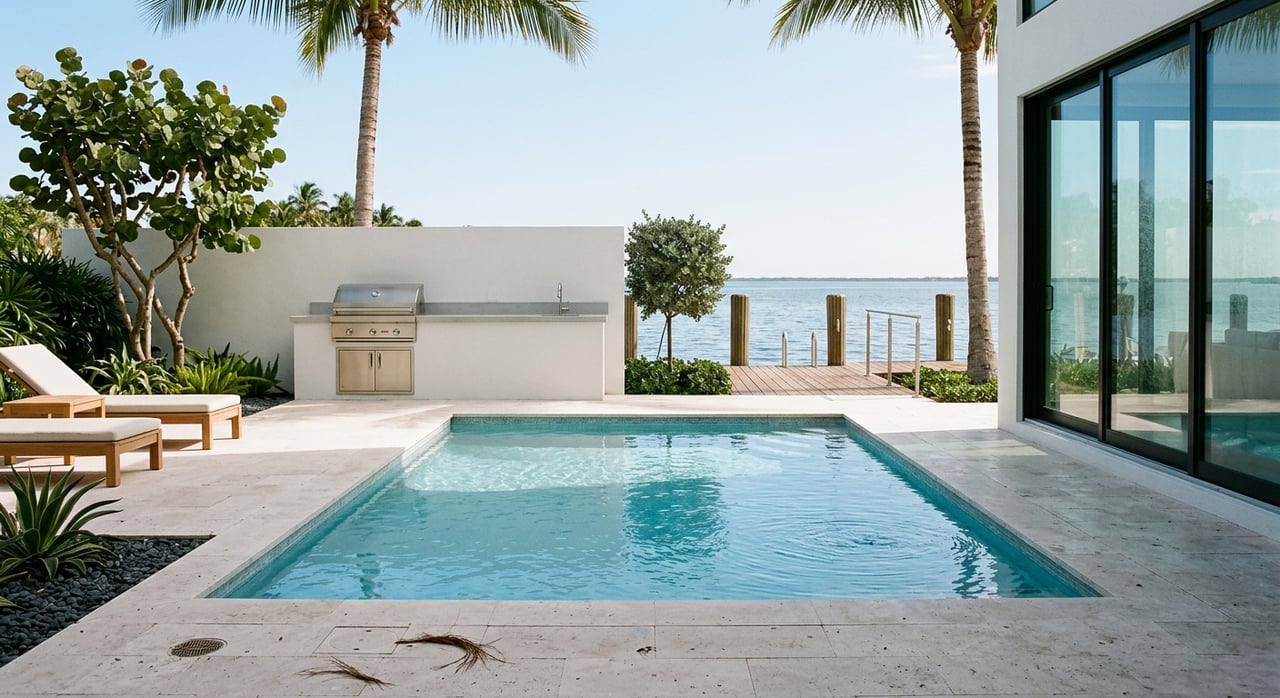
An $8 million waterfront sale in South Tampa recently highlighted just how coveted this pocket of the city is. If you’re drawn to privacy, deep-water dockage, and quick access to the bay, Culbreath Isles may already be on your shortlist. You also want clarity on boating realities, permits, HOA rules, flood risk, and overall costs before you commit. This guide gives you a clear picture of the neighborhood, what to verify, and how to decide if it fits your lifestyle and long-term goals. Let’s dive in.
Culbreath Isles at a glance
Culbreath Isles sits on the western edge of the South Tampa peninsula, adjacent to Beach Park and Old Tampa Bay. Local coverage places it within ZIPs 33609 and 33629 and traces its roots as a planned waterfront enclave with dredged canals and estate lots. For a bit of context on the area’s backstory and location, read the neighborhood feature from the Tampa Bay Times.
It’s a guarded, gated subdivision with a homeowners’ association that manages access and community standards. Expect written gate policies, deed restrictions, and defined rules that you should review early. The official HOA site is the best starting point for association documents and contacts.
Homes here are predominantly custom single-family estates with varied architecture, from classic coastal to contemporary new builds. Many lots front canals or open water and include private seawalls, docks, and lifts. Pricing is firmly in the luxury tier, with trophy properties at the very top of the market; a recent South Tampa waterfront sale around $8 million shows current demand and ceiling potential.
Boating and dock realities
Water depth and navigation
Culbreath Isles was developed with canal frontage designed for direct access to Old Tampa Bay. Many properties are described as having deep-water dockage, but depth and usability vary by parcel. Before you offer, confirm usable depth at mean low water, dock length and condition, lift capacity, and any bridge clearances on your route to the bay.
Run times and service options
Boat run times depend on your vessel, route, and tide. Listings often note short runs to open water and easy access around Tampa Bay and St. Petersburg, but you should test the route for your boat. For ramps, fuel, and services across the bay, the regional Boater’s & Angler’s Guide is a practical reference with public access points and helpful maps.
Permits and approvals
Marine construction in Hillsborough County, including docks, lifts, and seawalls, typically falls under Port Tampa Bay’s permitting process and may also require city, county, and state approvals. Verify that any existing dock or seawall has proper, transferable permits and that planned work aligns with current rules. Review Port Tampa Bay’s marine construction permitting summary to understand steps and timelines.
HOA, access, and daily logistics
Culbreath Isles’ gated setup is part of its appeal. The HOA manages entry, contractor protocols, deliveries, and neighborhood standards. Request the full HOA packet early, including CCRs, rules, budget, and recent minutes, so you understand visitor access, guest lists, and any capital projects or assessments that could affect your plans.
If schools factor into your move, confirm address-level assignments with the Hillsborough County Public Schools locator. Keep this neutral and fact-based, and use it strictly for planning.
Flood, insurance, and resilience
Waterfront living comes with flood considerations. If you’re financing, your lender may require flood insurance based on the property’s FEMA flood zone and elevation certificate. For long-term planning, NOAA’s 2022 Sea Level Rise Technical Report projects about 10 to 12 inches of sea-level rise nationwide over the next 30 years as a baseline scenario. Use the interactive NOAA Sea Level Rise Viewer to visualize potential scenarios around your specific address and to stress-test insurance assumptions.
Ownership costs to plan for
Seawalls, docks, and lifts are major line items. Condition varies widely by home, and replacement or major repair often requires permitting and can be significant. Review a practical primer on seawalls and docks for buyers, then budget inspections and quotes during due diligence.
Property taxes are set at the county level and depend on the parcel and assessed value. Pull the property’s folio and tax history from the Hillsborough County Property Appraiser to ground your budget. For insurance, request multiple quotes that reflect the home’s elevation, flood zone, claims history, and any detached structures or marine improvements.
How it compares nearby
- Davis Islands. Strong open-bay frontage and a more public, village-like feel closer to downtown. Not gated; popular with buyers who want an active scene and yacht-club style amenities.
- Harbour Island/Channelside. Very close to downtown with condo and townhome options and some private marina slips. Great for lower yard maintenance and urban access, though lot sizes are smaller than Culbreath Isles.
- Ballast Point/Bayshore. Public parks and a neighborhood feel with shoreline living that can be more affordable, but fewer private, yacht-scale estate docks.
- Beach Park/Sunset Park. Mix of open-bay views and canals with varied lot sizes and architecture. Offers a South Tampa waterfront experience without the same guarded, gated model.
Bottom line: Choose Culbreath Isles if you prioritize privacy, larger lots, and private dockage in a controlled-access setting. Look to Davis Islands or Harbour Island if walkability to dining and downtown is higher on your list.
Buyer checklist: verify these 7 items
Use this as your step-by-step due diligence plan.
Pull parcel records. Get the folio, tax history, and prior sales from the Hillsborough County Property Appraiser so you understand the property’s baseline.
Ask the seller for key docs. Request the last dock and seawall permits, the elevation certificate, maintenance history, and any HOA variances or reserve studies. If permits are missing, plan on re-permitting.
Hire the right inspectors. Bring in a marine contractor for the dock and seawall, plus a marine surveyor if you plan a large lift or dredging. Have a land surveyor confirm waterline setbacks.
Confirm permits and violations. Verify dock, dredge, and seawall permits with Port Tampa Bay and local authorities, and check for any outstanding issues before you write your offer.
Model flood and insurance costs. Use FEMA flood maps and the property’s elevation certificate to request NFIP and private quotes. For long-range planning, explore the NOAA Sea Level Rise Viewer to test medium and higher scenarios.
Get the HOA documents. Request CCRs, current budget, board minutes, gate rules, and contractor/guest pass policies from the official HOA. Ask about any upcoming capital projects or assessments.
Test your daily routes. Drive at your typical commute times to downtown, Westshore/TPA, and MacDill. Also, time on-water routes to your frequent boating destinations to ensure the location matches how you live.
Is Culbreath Isles right for you?
If your must-haves include a private dock, a larger lot, and a quiet, guarded setting with quick access to Old Tampa Bay, Culbreath Isles should be on your shortlist. Just pair the lifestyle with smart due diligence on docks, permits, flood, and long-term maintenance so your move feels both exciting and sound. If you’d like a tailored plan that aligns your search with how you live, let’s connect. Schedule a free consultation with Rosalinda Patino.
FAQs
Are Culbreath Isles docks suitable for large yachts?
- Many lots have deep-water dockage and lifts, but capacity varies. Verify depth at mean low water, lift specs, and channel access for your specific vessel before you offer.
What permits do I need to add or expand a dock?
- Dock, lift, or seawall work typically needs HOA review plus Port Tampa Bay and local approvals, and sometimes state sign-off. Start with the HOA packet, then review Port Tampa Bay’s permitting guidance.
How should I budget for seawall and dock upkeep?
- Costs depend on current condition and scope. Get written quotes during inspections and build a contingency; a marine contractor’s evaluation is standard for waterfront purchases.
How can I assess long-term flood and sea-level risk?
- Review the property’s flood zone and elevation certificate for insurance. Then use NOAA’s Sea Level Rise Technical Report and the interactive Sea Level Rise Viewer to test future scenarios.
Where can I verify taxes and school assignments for a specific address?
- Use the Hillsborough County Property Appraiser for parcel and tax records, and the Hillsborough County Public Schools locator to confirm address-level school assignments.
